Buy pl24.eu ?
We are moving the project
pl24.eu .
Are you interested in purchasing the domain
pl24.eu ?
domain@kv-gmbh.de · 0541-91531010
Buy pl24.eu ?
How do the abiotic environmental factors temperature, light, and water affect the ocean?
Temperature, light, and water are critical abiotic environmental factors that affect the ocean in various ways. Temperature influences the distribution and behavior of marine organisms, as well as the ocean's circulation patterns. Light availability affects photosynthesis and primary production, which in turn impacts the entire marine food web. Water availability, in the form of salinity and nutrient content, influences the density and composition of marine life. Overall, these abiotic factors play a crucial role in shaping the physical and biological characteristics of the ocean ecosystem. **
What are abiotic factors in ecology?
Abiotic factors in ecology are non-living components of an ecosystem that can influence the living organisms within it. These factors include physical and chemical elements such as temperature, sunlight, water, soil, air, and nutrients. Abiotic factors play a crucial role in shaping the environment and determining the types of organisms that can survive in a particular ecosystem. They can also affect the distribution, behavior, and abundance of species within an ecosystem. **

Similar search terms for Abiotic Water
Top-Angebote
Products related to Abiotic Water:
-
SOLHOME Water Hyacinth Shelf Organizer Storage BasketSOLHOME Water Hyacinth Storage Basket helps keep shelves organized by giving miscellaneous household items a defined place instead of letting them spread loosely across cabinets, bookcases, or open shelving.39,49 $*Shipping: 0,00 $Secure redirect to the provider
-
Uplift Treasures Automatic Pet Feeder And Water Bowl With Timer Storage Automatic Pet Feeder And Water Bowl With Timer StorageProduct Description: Keep your pets fed and hydrated on schedule with this Automatic Pet Feeder and Water Bowl featuring a builtin timer and large food storage container. Designed for cats, dogs, puppies, and kittens, this convenient feeding system...88,97 $*Shipping: 0,00 $Secure redirect to the provider
-
Toddler Activity Furniture Set Outdoor Sand & Water Table&Chair SetFeaturing with a fir wood table, 2 built-in benches and a removable sun umbrella, this table and bench set is coated with safe, environmentally friendly and water-based paint. It is designed to keep every child safe and prevent potential injuries.133,27 $*Shipping: 0,00 $Secure redirect to the provider
-
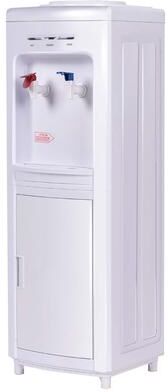
5 Gallon Top Loading Water Dispenser with Storage CabinetAre your sure about the safety of your daily drinking water? This water dispenser will perfectly meet your need! Our water dispenser is with cold and hot water option and it is very convenient for you to get the water with appropriate temperature.96,36 $*Shipping: 0,00 $Secure redirect to the provider


-
What are abiotic factors in the Antarctic?
Abiotic factors in the Antarctic include extreme cold temperatures, strong winds, low precipitation, and high levels of ultraviolet radiation due to the hole in the ozone layer. The frozen landscape is also a significant abiotic factor, as the ice and snow cover much of the continent. These abiotic factors create a harsh environment that shapes the unique ecosystems and limits the types of organisms that can survive in the Antarctic. **
-
What are application tasks related to abiotic factors?
Application tasks related to abiotic factors involve studying the impact of non-living elements such as temperature, water availability, soil composition, and sunlight on various ecosystems. Researchers may investigate how changes in these abiotic factors affect plant growth, animal behavior, and overall ecosystem health. Understanding these relationships is crucial for predicting and managing the effects of climate change, land use changes, and other environmental disturbances on ecosystems. By studying abiotic factors, scientists can develop strategies to conserve biodiversity, restore degraded habitats, and promote sustainable resource management. **
-
What are abiotic and biotic factors for humans?
Abiotic factors for humans include non-living elements such as air quality, temperature, and sunlight exposure. These factors can directly impact human health and well-being. Biotic factors for humans involve living organisms that interact with humans, such as pathogens, parasites, and symbiotic organisms like gut bacteria. These factors can also have significant effects on human health and disease. **
-
Which biotic and abiotic factors affect the wolf?
Biotic factors that affect wolves include their prey availability, competition with other predators, and interactions with other species in their ecosystem. Abiotic factors that affect wolves include temperature, precipitation, and habitat availability. These factors can impact the wolf population size, distribution, and behavior. Wolves are highly adaptable animals, but changes in these factors can have significant effects on their survival and reproductive success. **


Do tides belong to the abiotic environmental factors?
Yes, tides belong to the abiotic environmental factors. Abiotic factors are non-living components of an ecosystem, and tides are the result of the gravitational pull of the moon and the sun on the Earth's oceans. Tides play a significant role in shaping coastal ecosystems and influencing the distribution of marine organisms. Therefore, they are considered an important abiotic factor in marine environments. **
What do abiotic and biotic environmental factors mean?
Abiotic environmental factors refer to non-living components of an ecosystem, such as temperature, sunlight, water, and soil. These factors can have a significant impact on the survival and distribution of living organisms within an ecosystem. Biotic environmental factors, on the other hand, refer to the living components of an ecosystem, including plants, animals, and microorganisms. These factors can also influence the dynamics of an ecosystem through interactions such as predation, competition, and symbiosis. Both abiotic and biotic factors play crucial roles in shaping the structure and function of ecosystems. **
Top-Angebote
Products related to Abiotic Water:
-
Drop Dash Deals Tabletop Water Fountain Indoor Waterfall LED Lighting Decor For Home Office Relaxation Tabletop Water Fountain Indoor Waterfall LED Lighting Decor For Home Office RelaxationA calming escape can begin right at your desk or living space, transforming everyday moments into peaceful rituals. This 1 pc of tabletop water fountain is designed to bring the gentle sound of flowing water into your home or office, helping reduce...69,97 $*Shipping: 0,00 $Secure redirect to the provider
-
SOLHOME Water Hyacinth Shelf Organizer Storage BasketSOLHOME Water Hyacinth Storage Basket helps keep shelves organized by giving miscellaneous household items a defined place instead of letting them spread loosely across cabinets, bookcases, or open shelving.39,49 $*Shipping: 0,00 $Secure redirect to the provider
-
Uplift Treasures Automatic Pet Feeder And Water Bowl With Timer Storage Automatic Pet Feeder And Water Bowl With Timer StorageProduct Description: Keep your pets fed and hydrated on schedule with this Automatic Pet Feeder and Water Bowl featuring a builtin timer and large food storage container. Designed for cats, dogs, puppies, and kittens, this convenient feeding system...88,97 $*Shipping: 0,00 $Secure redirect to the provider
-
How do the abiotic environmental factors temperature, light, and water affect the ocean?
Temperature, light, and water are critical abiotic environmental factors that affect the ocean in various ways. Temperature influences the distribution and behavior of marine organisms, as well as the ocean's circulation patterns. Light availability affects photosynthesis and primary production, which in turn impacts the entire marine food web. Water availability, in the form of salinity and nutrient content, influences the density and composition of marine life. Overall, these abiotic factors play a crucial role in shaping the physical and biological characteristics of the ocean ecosystem. **
-
What are abiotic factors in ecology?
Abiotic factors in ecology are non-living components of an ecosystem that can influence the living organisms within it. These factors include physical and chemical elements such as temperature, sunlight, water, soil, air, and nutrients. Abiotic factors play a crucial role in shaping the environment and determining the types of organisms that can survive in a particular ecosystem. They can also affect the distribution, behavior, and abundance of species within an ecosystem. **
-
What are abiotic factors in the Antarctic?
Abiotic factors in the Antarctic include extreme cold temperatures, strong winds, low precipitation, and high levels of ultraviolet radiation due to the hole in the ozone layer. The frozen landscape is also a significant abiotic factor, as the ice and snow cover much of the continent. These abiotic factors create a harsh environment that shapes the unique ecosystems and limits the types of organisms that can survive in the Antarctic. **
-
What are application tasks related to abiotic factors?
Application tasks related to abiotic factors involve studying the impact of non-living elements such as temperature, water availability, soil composition, and sunlight on various ecosystems. Researchers may investigate how changes in these abiotic factors affect plant growth, animal behavior, and overall ecosystem health. Understanding these relationships is crucial for predicting and managing the effects of climate change, land use changes, and other environmental disturbances on ecosystems. By studying abiotic factors, scientists can develop strategies to conserve biodiversity, restore degraded habitats, and promote sustainable resource management. **
Similar search terms for Abiotic Water
-
Toddler Activity Furniture Set Outdoor Sand & Water Table&Chair SetFeaturing with a fir wood table, 2 built-in benches and a removable sun umbrella, this table and bench set is coated with safe, environmentally friendly and water-based paint. It is designed to keep every child safe and prevent potential injuries.133,27 $*Shipping: 0,00 $Secure redirect to the provider
-
5 Gallon Top Loading Water Dispenser with Storage CabinetAre your sure about the safety of your daily drinking water? This water dispenser will perfectly meet your need! Our water dispenser is with cold and hot water option and it is very convenient for you to get the water with appropriate temperature.96,36 $*Shipping: 0,00 $Secure redirect to the provider
-
SOLHOME Water Hyacinth Shelf Organizer Storage BasketSOLHOME Water Hyacinth Storage Basket helps keep shelves organized by giving miscellaneous household items a defined place instead of letting them spread loosely across cabinets, bookcases, or open shelving.38,49 $*Shipping: 0,00 $Secure redirect to the provider
-
Toddler Activity Furniture Set Outdoor Sand & Water Table&Chair SetFeaturing with a fir wood table, 2 built-in benches and a removable sun umbrella, this table and bench set is coated with safe, environmentally friendly and water-based paint. It is designed to keep every child safe and prevent potential injuries.128,99 $*Shipping: 0,00 $Secure redirect to the provider
-
What are abiotic and biotic factors for humans?
Abiotic factors for humans include non-living elements such as air quality, temperature, and sunlight exposure. These factors can directly impact human health and well-being. Biotic factors for humans involve living organisms that interact with humans, such as pathogens, parasites, and symbiotic organisms like gut bacteria. These factors can also have significant effects on human health and disease. **
-
Which biotic and abiotic factors affect the wolf?
Biotic factors that affect wolves include their prey availability, competition with other predators, and interactions with other species in their ecosystem. Abiotic factors that affect wolves include temperature, precipitation, and habitat availability. These factors can impact the wolf population size, distribution, and behavior. Wolves are highly adaptable animals, but changes in these factors can have significant effects on their survival and reproductive success. **
-
Do tides belong to the abiotic environmental factors?
Yes, tides belong to the abiotic environmental factors. Abiotic factors are non-living components of an ecosystem, and tides are the result of the gravitational pull of the moon and the sun on the Earth's oceans. Tides play a significant role in shaping coastal ecosystems and influencing the distribution of marine organisms. Therefore, they are considered an important abiotic factor in marine environments. **
-
What do abiotic and biotic environmental factors mean?
Abiotic environmental factors refer to non-living components of an ecosystem, such as temperature, sunlight, water, and soil. These factors can have a significant impact on the survival and distribution of living organisms within an ecosystem. Biotic environmental factors, on the other hand, refer to the living components of an ecosystem, including plants, animals, and microorganisms. These factors can also influence the dynamics of an ecosystem through interactions such as predation, competition, and symbiosis. Both abiotic and biotic factors play crucial roles in shaping the structure and function of ecosystems. **
* All prices are inclusive of VAT and, if applicable, plus shipping costs. The offer information is based on the details provided by the respective shop and is updated through automated processes. Real-time updates do not occur, so deviations can occur in individual cases. ** Note: Parts of this content were created by AI.